The wrong question about AI in schools
A completed worksheet can hide an unfinished understanding. What AI tutoring studies tell us about the difference - and what schools should measure.
Read insightWORK & INSIGHTS
Client projects, independent builds, and research notes—each with the problem, the approach, what was verified, and what was not.
A completed worksheet can hide an unfinished understanding. What AI tutoring studies tell us about the difference - and what schools should measure.
Read insightWe published a review of deep learning for axillary lymph node assessment in Virchows Archiv. I ran a known method on our slides. It behaved.
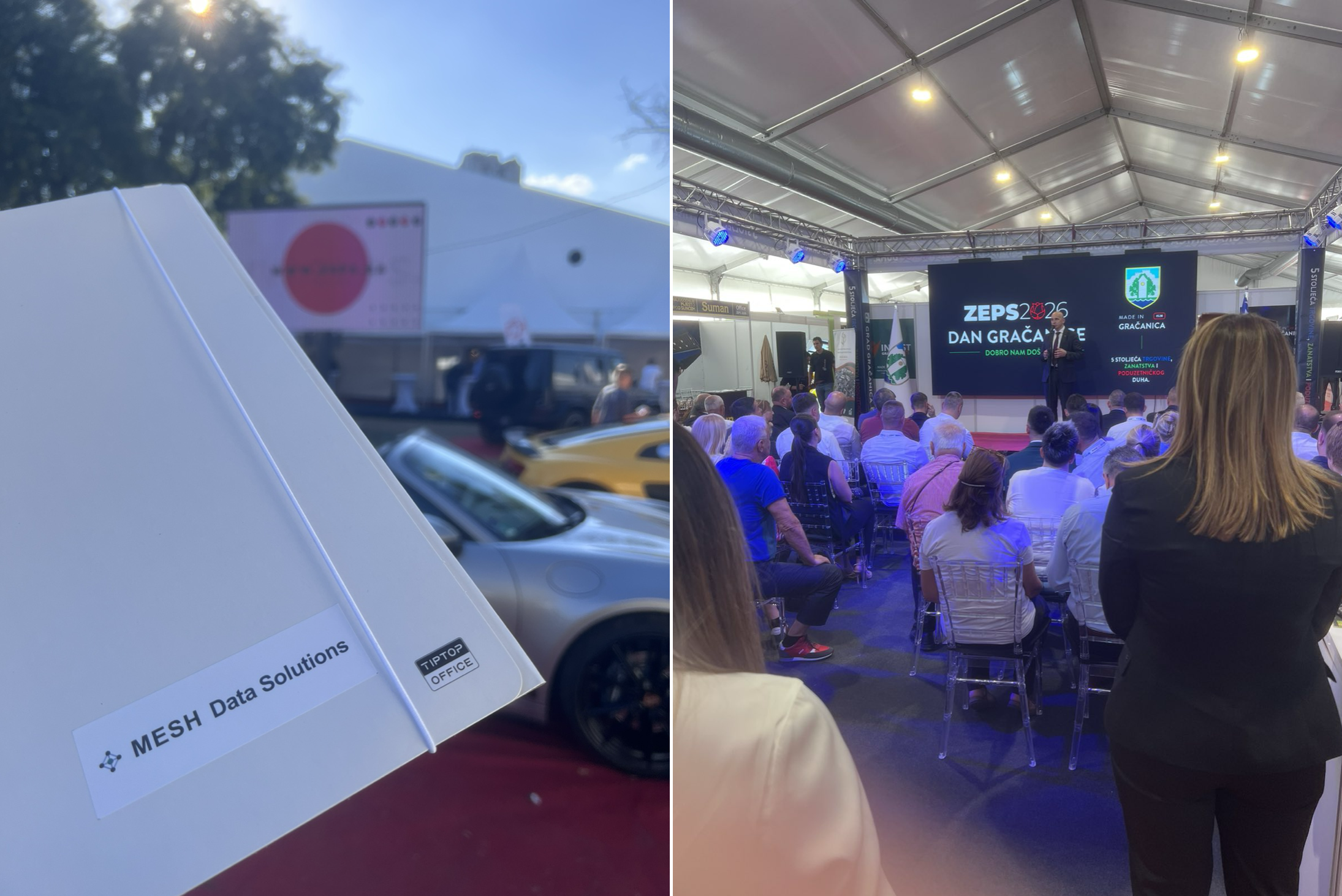
Read insightWe spent four days at ZEPS because people gathered close to home. For a small practice, the honest goal is to meet them - and to see what might come after the handshake.
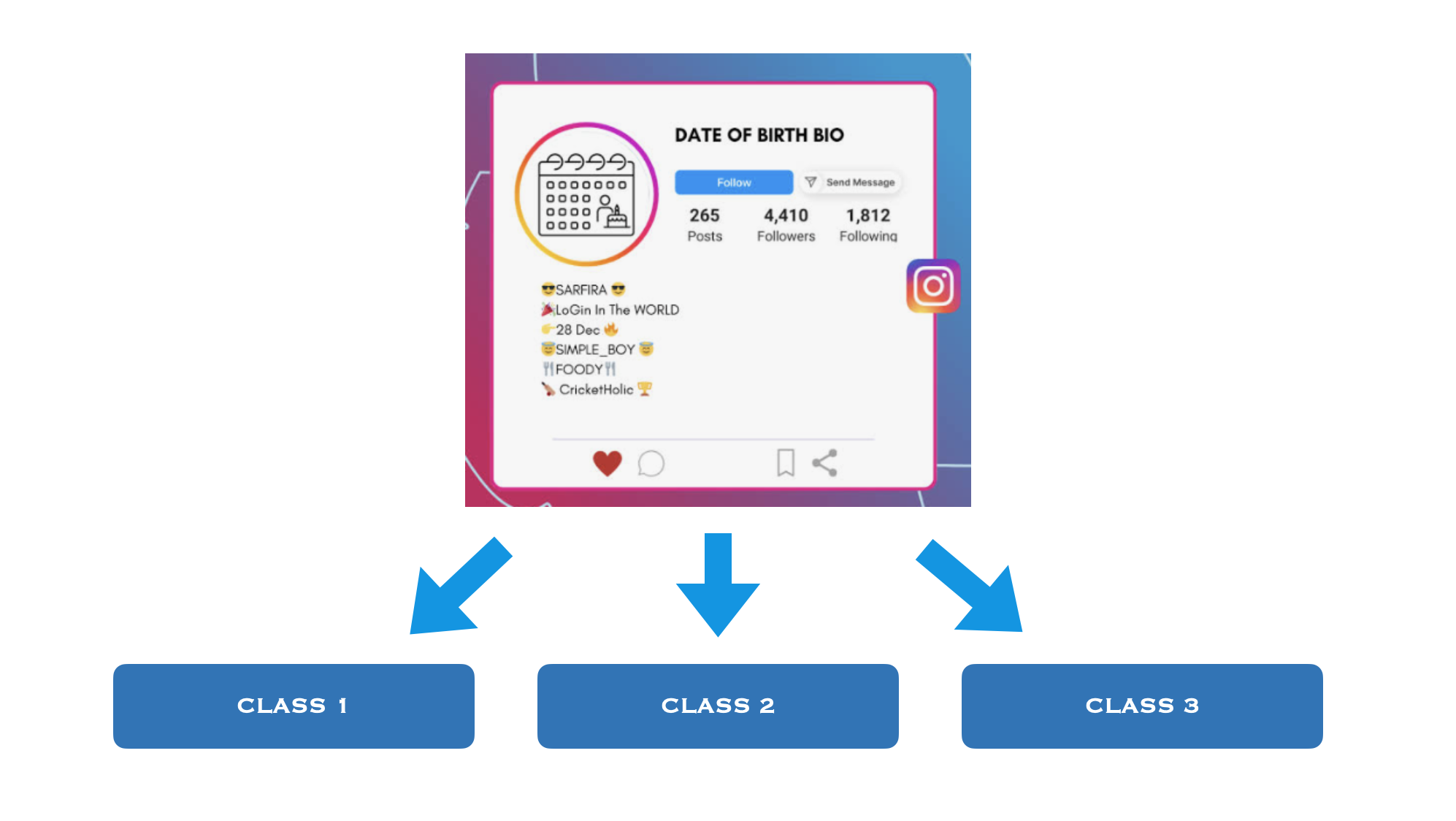
Read insightA real client delivery fine-tuned BERT to classify short posts across overlapping personal, healthy-lifestyle, and medical themes.
Read insightModel changes are easy to see. In practice, inconsistent labels, weak provenance, and missing domain definitions are often the real ceiling.
Read insightA real client project started with a deceptively simple request: recognize “25 yo” or a birth year without treating “married in 2018” as someone's age.
Read insightA research collaboration with physicians explored deep learning in breast cancer histopathology. The lasting lesson was how much the model depends on clinical definitions, data provenance, and honest evaluation.
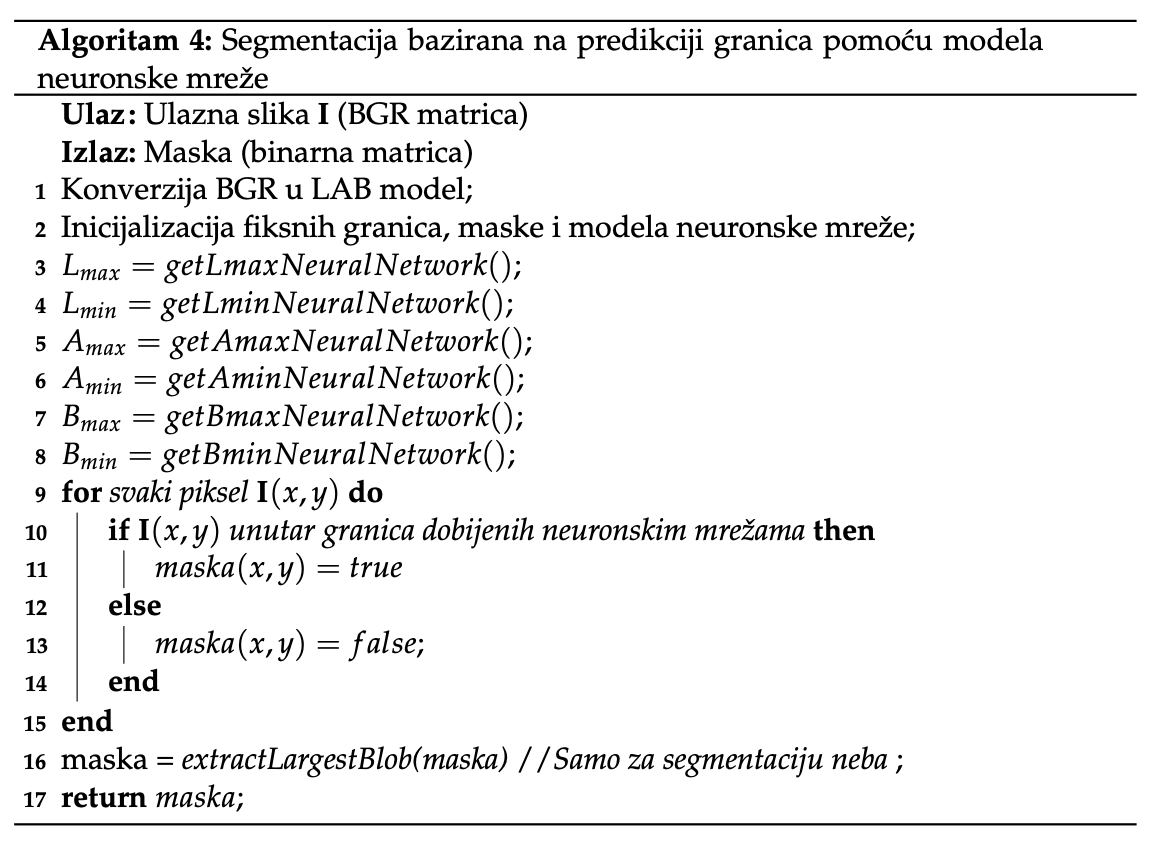
Read insightMy 2021 thesis combined 2D and 3D segmentation, scene comparison, geocoding and point clouds. Its most durable lesson is that model quality depends on the assumptions hidden in the data.
Read insightA client had an Excel file that was updated every month and had to match a fixed target format. The useful part was turning that visual target into repeatable rules.
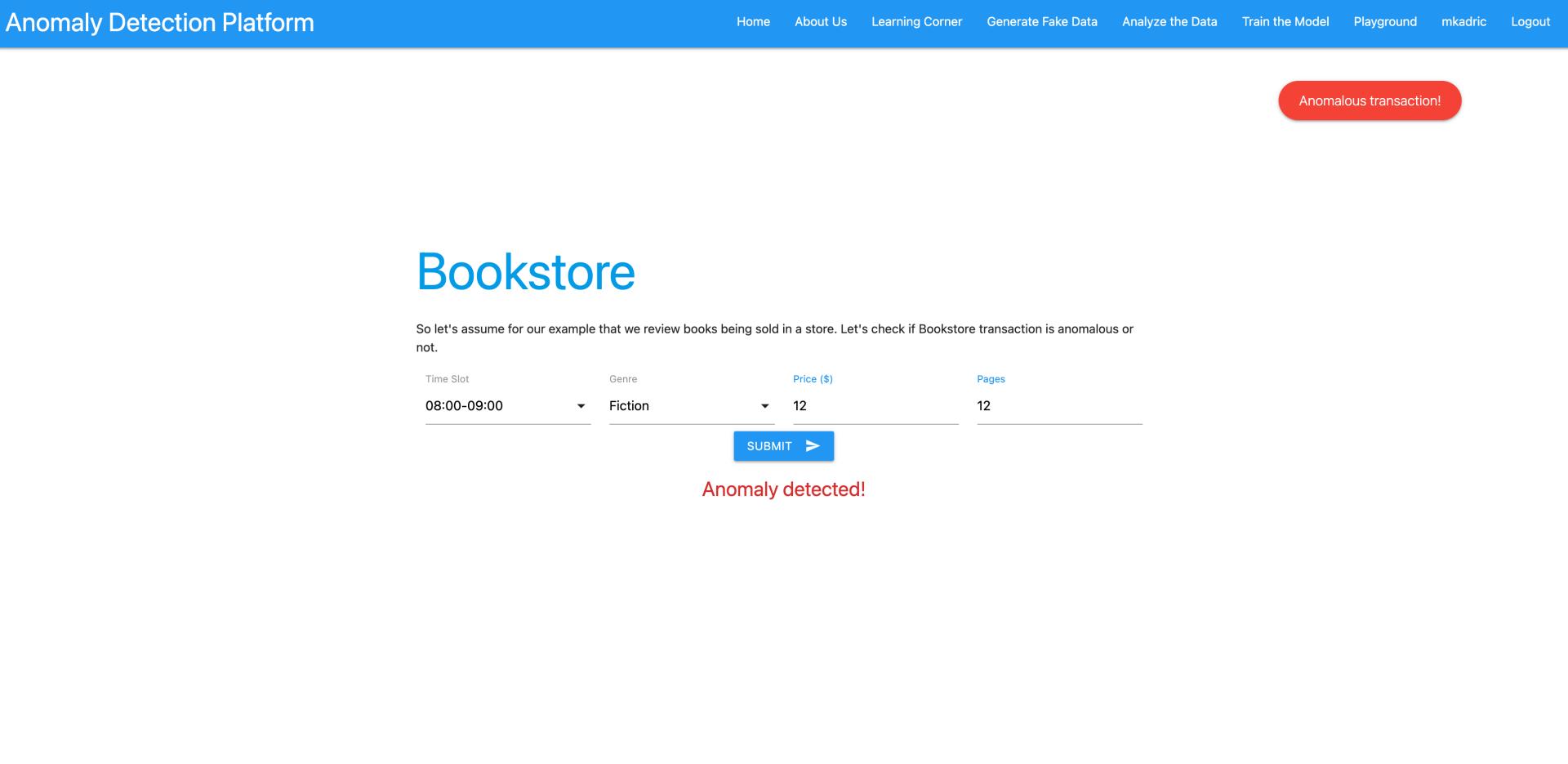
Read insightA real client asked for a clear Google Colab demo of several anomaly detection algorithms. The hard part was not calling fit(); it was making the data and the result understandable.
Read insightA public project built around a practical question: how do you filter a CSV that is too large for a normal spreadsheet without hiding the rules from the person using it?
Read insightEarlier technical writing is also available on Mehmed's Medium profile.